
B2B Customer Service Examples in 2025 – (Best Practices)

The future of B2B customer service in 2025 is all about personalization, proactivity, and the use of technology to enhance the customer experience.
Businesses are increasingly realizing that providing excellent customer service is key to driving growth and building lasting relationships with their customers.
In this blog post, we will explore some of the major factors of B2B customer services. Such as;
- Ideas about B2B Customer Service.
- Examples of B2B Customer Service.
- Best Practices to Improve B2B Customer Service.
Hopefully, you will gather an in-depth knowledge about this blog. So let’s dive there.
Table of Contents
What is B2B Customer Service?
Customer satisfaction is a crucial factor in B2B success and relationship building.
Understanding the core of B2B customer service is essential for businesses intending to progress in today’s competitive landscape.
Giving great customer service is like trying to find your way through a puzzle. You have to consider all sorts of different things, depending on what each business wants and needs.
When it comes to business-to-business relationships, providing excellent customer service is like walking a wire. You have to balance a lot of different factors to meet the unique needs and expectations of each business customer.
Here are the basic elements that define effective B2B customer service:
- Understanding the B2B Customer Journey: B2B transactions often involve complex purchasing processes, multiple decision-makers, and longer sales cycles compared to B2C transactions. A complete understanding of the B2B customer journey, from initial engagement to post-purchase support, is crucial. This involves already planning various touchpoints, identifying pain points, and optimizing interactions to streamline the customer experience.
- Tailoring Solutions to Business Needs: Unlike B2C transactions where consumers seek personal satisfaction, B2B customers prioritize solutions that enhance their operational efficiency, profitability, and competitiveness. Effective B2B customer service entails customizing offerings to align with the unique requirements, industry standards, and business objectives of each client. This may involve providing bespoke product configurations, scalable services, and strategic partnerships tailored to address specific pain points and add tangible value.
- Building Strong Relationships with Clients: Building enduring relationships forms the basis of successful B2B customer service. Establishing trust, transparency, and mutual respect fosters long-term partnerships that transcend transactional interactions. Effective communication, proactive engagement, and personalized support are instrumental in nurturing these relationships. Furthermore, actively soliciting feedback, addressing concerns promptly, and continuously adapting offerings to evolving client needs to demonstrate commitment to client success and reinforce loyalty.
Each of these elements interconnects to create a holistic approach to B2B customer service, enabling businesses to differentiate themselves, drive customer satisfaction, and ultimately, foster sustainable growth in the competitive B2B landscape.
Why is B2B customer service important?
Customer service is always efficient in improving customer relationships. This is especially true for B2B (Business-to-Business) transactions. Unlike B2C (Business-to-Consumer), where customers might make quick, one-time purchases, B2B relationships are often long-term partnerships.
Good customer service is essential in B2B. When your customers feel valued and supported, they are more likely to keep doing business with you. This means more sales and a stronger company.
Hive Support is designed to help B2B companies provide excellent customer service. It has tools to manage customer issues, automate routine tasks, and track your performance. Plus, it can even help with common questions using an AI chatbot.
What makes Hive Support even better is its flexibility. You can communicate with your customers in the way they prefer, whether it’s email, live chat, or even popular tools like Slack and Telegram.
In the B2B world, every interaction matters. With Hive Support, you can make sure your customers are happy and keep them coming back.
What is the difference between B2C and B2B customer service?
When it comes to customer service, the approach you take can differ greatly depending on whether you’re dealing with individual consumers (B2C) or other businesses (B2B). While both aim to keep customers satisfied, the strategies and expectations in these two areas are quite distinct.
B2C Customer Service – Fast and Efficient
B2C customer service is the cornerstone of a thriving online business. It’s more than just answering questions or resolving issues; it’s about building relationships with customers, understanding their needs, and providing exceptional support.
From the moment a customer visits a website to the point of purchase and beyond, B2C customer service plays a vital role in creating a positive and memorable experience. It involves anticipating customer needs, proactively addressing concerns, and going the extra mile to ensure customer satisfaction.
Key Characteristics of B2C Customer Service:
- Speed: B2C customers typically expect quick responses. According to a report by HubSpot, 90% of consumers consider an “immediate” response important or very important when they have a customer service question, with “immediate” meaning within 10 minutes or less.
- Convenience: B2C customer service is all about being available on the channels customers prefer, whether it’s live chat, email, or social media. The goal is to make it easy for them to get help whenever they need it.
- Volume: B2C companies often deal with a high volume of inquiries. For example, during peak shopping seasons like the holidays, a retail company might handle thousands of customer interactions in a single day.
- Focus on Satisfaction: The main goal is to resolve issues quickly to keep customers happy and encourage repeat business. While repeat customers are important, the relationship is usually more transactional and less personal.
B2B Customer Service – Personalized and Relationship-Focused
B2B customer service is about helping businesses, not individuals. These relationships are often more complicated than those with regular customers.
For example, a company that sells software to other businesses needs to provide ongoing support, updates, and even training to ensure the other company uses the software correctly.
Key things to remember about B2B customer service:
- Building relationships: Unlike regular customers who might buy once, businesses often have long-term relationships.
- Customization: Each business is different, so the support needs to be tailored to their specific needs.
- Multiple people: You might be dealing with more than one person within a business.
- Ongoing support: Even after a sale, the support doesn’t stop. You need to keep helping the business use the product effectively.
A Comparative Look – B2C vs. B2B Customer Service
| Aspect | B2C Customer Service | B2B Customer Service |
| Who You’re Helping | Individual customers | Other businesses |
| How Long It Lasts | Usually short-term, one-time interactions | Long-term, ongoing relationships |
| What’s Important | Fast problem-solving, convenience | Personalized support, building strong relationships |
| Who You’re Talking To | Usually one person | Often multiple people within a company |
| Type of Support Needed | Quick fixes for common issues | Deep understanding, tailored solutions, ongoing help |
| Overall Approach | Focus on the transaction and customer satisfaction | Focus on relationship management and client success |
B2B Customer Service Examples
We are going to give you some knowledge about some of the famous B2B customer services.
Hubspot – Customer Service Software
HubSpot’s Customer Service Software is a tool that helps businesses provide better customer support. It has features like a help desk, chatbot, and messaging tools to make it easier for customers to get help.
The software also has a knowledge base so customers can find answers themselves, and SLA management to make sure support is provided on time. Plus, there’s a customer portal where customers can see their support tickets.
HubSpot’s CRM works with this software, so you can manage all your customer information in one place. This helps you keep customers happy, keep them coming back, and make your business more successful.
Hive Support – Advanced Customer Support Management Tools
Hive Support is a tool that helps businesses manage customer inquiries on their WordPress site. It has features like chatbots, live chat, and a ticket system to make it easy to respond to customers. You can also automate tasks, track your team’s performance, and get reports to improve your support. Hive Support works with other popular tools like Telegram, Slack, Discord, and WhatsApp to improve communication. Hive Support can help businesses of all sizes provide better customer support.
WhatsApp Business – Transform your business
WhatsApp Business is a free app designed to help small businesses connect with customers easily. It allows you to create a business profile with important details like your address, website, and contact information. You can use messaging tools to automate replies, organize conversations with labels, and share your products through a catalog. The app also helps promote your business on Facebook and Instagram and lets you send updates to multiple customers at once. It’s a simple way to manage customer interactions and grow your business.
Freshdesk – Smart AI-Based Support Tools
Freshdesk is a customer support tool that helps businesses manage customer inquiries and issues easily. It allows teams to track and prioritize support tickets from different channels, like email, chat, and social media, all in one place. Freshdesk offers features like automation to speed up responses, collaboration tools for team members to work together, and a self-service knowledge base for customers to find answers on their own. With its user-friendly design and customizable options, Freshdesk makes it simple for businesses to improve their customer service and keep customers happy.
Best Practices to Improve B2B Customer Support
There are numerous ways to improve the B2B customer support system. We are going to discuss them more clearly.
1. Gather Information About Customers
In B2B customer service, understanding the unique needs and expectations of each client is principal. This requires gathering thorough information about their business, industry, challenges, and goals.
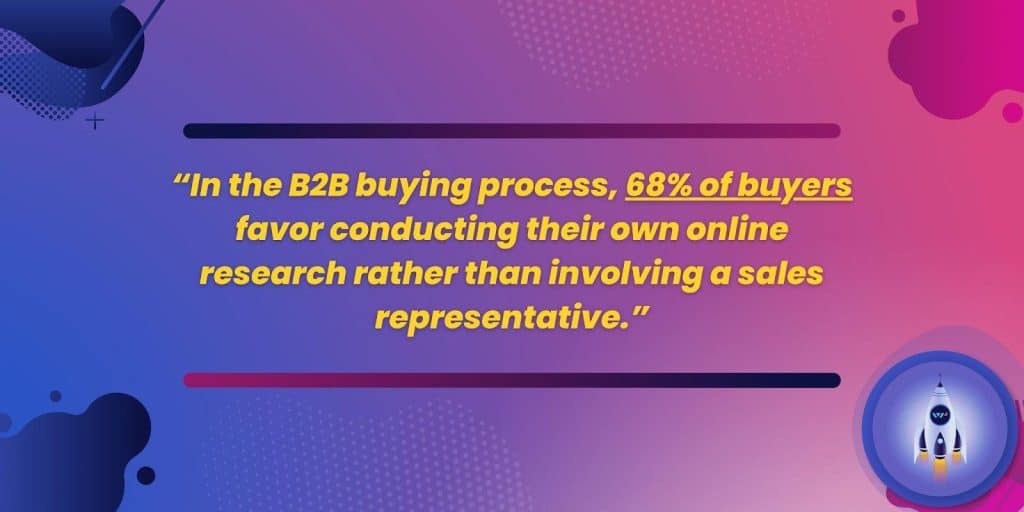
Here are some best practices for effectively gathering customer information:
- Conduct Thorough Customer Profiling: Create detailed customer profiles that include company background, size, industry, key decision-makers, and relevant pain points. Continuously update these profiles as client dynamics evolve.
- Utilize Customer Relationship Management (CRM) Systems: Utilize a powerful CRM system to centralize and manage customer data. This enables easy access to customer history, interactions, and preferences, facilitating personalized and efficient service. Some of the common CRM tools are – Zoho CRM, HubSpot CRM, Zendesk CRM, etc.
- Engage in Active Listening: Encourage open communication and actively listen to customers to understand their concerns, requirements, and feedback. Use useful listening techniques to establish sympathy and understanding.
- Conduct Customer Surveys and Feedback Sessions: Regularly take customer surveys and gather feedback through various channels such as email, phone calls, or in-person meetings. This provides valuable insights into customer satisfaction levels, areas for improvement, and evolving needs.
- Monitor Customer Behavior and Usage Patterns: Analyze customer behavior and usage patterns to identify trends and preferences. This data can be leveraged to tailor offerings, optimize touchpoints, and deliver proactive support.
- Foster Collaboration Across Teams: Encourage collaboration between customer-facing teams (e.g., sales, support, and account management) to share information and ensure a consistent customer experience.
- Use Data Analytics: Leverage data analytics tools to extract meaningful insights from customer data. This can help identify common issues, predict customer churn, and develop targeted interventions to improve customer satisfaction.
2. Be Responsive and Efficient
In today’s fast-paced business environment, where customers expect immediate responses and solutions, responsiveness, and efficiency are paramount in delivering exceptional B2B customer service.
It’s necessary to offer multiple channels for customers to reach out, such as phone, email, live chat, social media, and self-service portals. This provides an advantage and allows customers to choose their preferred mode of communication.
Also, you have to set clear expectations for response times and adhere to them consistently. Promptly acknowledge customer inquiries, even if a comprehensive solution takes longer.
We are going to share with you some tips for making B2B customer support more responsive and efficient.
- Utilize Automation Tools: Use automation tools to simplify routine tasks, such as sending automated replies, scheduling appointments, and generating reports. This frees up customer service representatives to focus on complex issues requiring personalized attention.
- Empower Customer Support Representatives: Provide customer support representatives with the necessary autonomy, resources, and training to resolve customer issues efficiently. This includes access to relevant information, decision-making authority, and ongoing skill development.
- Monitor and Measure Performance: Regularly monitor and measure customer support performance metrics, such as average response time, resolution time, and customer satisfaction ratings. Use this data to identify areas for improvement and make necessary adjustments.
- Provide Self-Service Options: Offer self-service options, such as knowledge bases, FAQs, and troubleshooting guides, to empower customers to find solutions independently. This reduces the burden on customer support teams and allows them to focus on more complex issues.
- Personalize the Support Experience: Tailor customer support interactions to the individual needs and preferences of each customer. This involves addressing customers by name, understanding their unique challenges, and providing customized solutions.
3. Provide Self-Service Options
In the highly connected and constantly changing digital world of today, B2B customers have grown accustomed to convenient and immediate access to information and solutions.
To meet these evolving expectations and improve customer satisfaction, businesses are increasingly embracing self-service options.
Firstly, self-service options provide customers with the convenience and flexibility to access information and support whenever they need it, without having to wait for business hours or the availability of customer support representatives.
This 24/7 accessibility enhances the customer experience and allows businesses to address customer inquiries and issues promptly.
Secondly, self-service reduces the burden on customer support teams. By enabling customers to resolve common issues independently, customer support agents can focus on more complex and critical tasks, leading to improved efficiency and resource optimization.
To successfully implement self-service options, businesses need to ensure that the information and resources provided are accurate, comprehensive, and easy to navigate.
Additionally, businesses should consider offering multiple channels for self-service, such as online knowledge bases, FAQs, chatbots, and self-help forums, to cater to diverse customer preferences.
Here are some effective strategies for offering self-service options:
- Knowledge Base: Create a comprehensive knowledge base or FAQ section on your website. Organize content based on common customer inquiries and provide detailed, step-by-step instructions, videos, and troubleshooting guides.
- Online Chatbots: Implement chatbots on your website or mobile app to provide instant support. Chatbots can answer frequently asked questions, guide customers to relevant resources, and escalate complex issues to human agents when necessary.
- Customer Portals: Develop a secure customer portal where customers can access account information, track orders, submit support tickets, and manage subscriptions.
- Video Tutorials: Produce video tutorials that demonstrate how to use your products or services. Videos are an engaging and effective way to provide visual instructions and troubleshooting tips.
- Online Communities: Create online communities or forums where customers can connect and share experiences, tips, and solutions. This fosters a sense of community and empowers customers to help one another.
- Mobile Apps: Develop mobile apps that provide self-service features such as account management, order tracking, and support ticketing. Mobile apps offer convenience and allow customers to access support on the go.
- Documentation: Provide comprehensive documentation, such as user manuals, technical guides, and release notes, to help customers understand and use your products effectively.
- Feedback Mechanisms: Include feedback mechanisms within your self-service options to gather customer input and identify areas for improvement.
By offering a range of self-service options, B2B businesses can improve customer satisfaction, reduce support costs, and enhance the overall customer experience.
Final Words
In conclusion, delivering exceptional B2B customer service in 2025 and beyond requires a proactive, data-driven, and customer-centric approach. By implementing best practices such as gathering customer information, being responsive and efficient, providing self-service options, and leveraging technology, businesses can create a positive and memorable customer experience.
As the B2B landscape continues to evolve, companies must stay agile and adaptable to meet the changing needs and expectations of their customers.
By prioritizing customer satisfaction and fostering strong customer relationships, businesses can build long-term loyalty and drive business growth in the years to come.
Frequently Asked Questions
- How does B2B customer service impact your brand?
B2B customer service shapes your brand’s reputation. Great service builds trust and encourages referrals, while poor service can harm your brand and push clients to competitors.
- How does B2B customer service impact revenue and growth?
Strong B2B customer service boosts revenue by retaining clients, encouraging repeat business, and generating referrals. Poor service can lead to lost clients and decreased revenue.
- How to measure the success of B2B customer service efforts?
Measure success with KPIs like customer satisfaction scores (CSAT), Net Promoter Score (NPS), response times, and retention rates. Regular feedback and tracking of these metrics show how well your service is performing.
0 thoughts on “B2B Customer Service Examples in 2025 – (Best Practices)”